1
Arrive in Cebu
2
Day at leisure in Cebu
3
Full Day Bohol Adventure and Loboc River Cruise
4
Travel from Cebu to El Nido
5
Day at leisure in El Nido
6
Explore El Nido
7
Travel from El Nido to Boracay
8
Full Day Beyond Boracay: Tibiao Eco-Adventure Experience
9
Day at leisure in Boracay
10
Depart from Boracay
1
Arrive in Cebu
Your Accommodation
Perched gracefully at the northern tip of Punta Engaño Peninsula, Dusit Thani Mactan Cebu invites travelers to an enchanting tropical retreat. Embracing the perfect harmony of Thai and Filipino warmth, the resort offers heartfelt hospitality, delectable culinary delights, and breathtaking vistas. Gentle ocean breezes dance through its open-air spaces, from the airy lobby and inviting lounge to chic dining venues that seamlessly blend indoor elegance with al fresco charm, all overlooking glistening pools and the azure expanse of Magellan Bay.
- Duration | 3 Night Stay
- Meal Plan | Full Breakfast
2
Day at leisure in Cebu
Enjoy the day as you wish. If you would like to arrange an activity, excursion, or other experience, please contact your Goway Destination Specialist.
3
Full Day Bohol Adventure and Loboc River Cruise
Get picked up from your hotel and catch an early ferry to Bohol for a day trip showcasing the island’s wonders. Begin at the Philippine Tarsier Foundation in Corella, a sanctuary for the world’s smallest primate, the tarsier. Marvel at these rare, nocturnal creatures in their natural habitat as they leap from tree to tree and swivel their heads nearly 360 degrees. Next, head to Baclayon for a brief stop at the historic Blood Compact site, where Spain’s Miguel Lopez de Legazpi and local chieftain Datu Sikatuna sealed their friendship with a symbolic drink. In Baclayon, visit a centuries-old stone church with a museum that houses a collection of religious art, ecclesiastical vestments, and Latin librettos inscribed on animal skins. Continue the tour through the Bilar man-made forest, a dense growth of towering mahogany trees lining the highway to the Chocolate Hills, a geological marvel. From a distance, these hills resemble huge candy drops and change color with the season, appearing ‘chocolate’ brown in summer. Hike up to the viewpoint for a panoramic view of the area before proceeding to the Loboc River. Enjoy a relaxing cruise downstream on a floating restaurant, complete with a delicious lunch served on board. Return to Tagbilaran Pier for your ferry transfer back to Cebu.
- Duration | Full Day
4
Travel from Cebu to El Nido
Your Accommodation
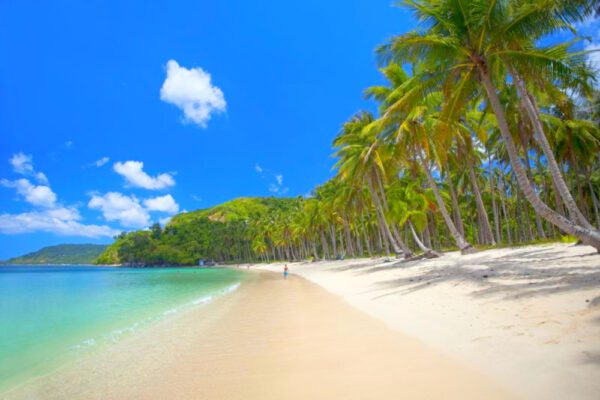
Cauayan Island Resort and Spa is a secluded paradise in El Nido, surrounded by lush tropical forests, crystal-clear waters, and pristine beaches. The resort offers villas with ocean or garden views, private balconies, and direct beach access. Guests can enjoy a range of amenities, including a spa, infinity pool, and water sports, all in a peaceful, eco-friendly setting perfect for relaxation.
- Duration | 3 Night Stay
- Meal Plan | Full Breakfast
5
Day at leisure in El Nido
Enjoy the day as you wish. If you would like to arrange an activity, excursion, or other experience, please contact your Goway Destination Specialist.
6
Explore El Nido
Enjoy the day as you wish. If you would like to arrange an activity, excursion, or other experience, please contact your Goway Destination Specialist.
7
Travel from El Nido to Boracay
Your Accommodation
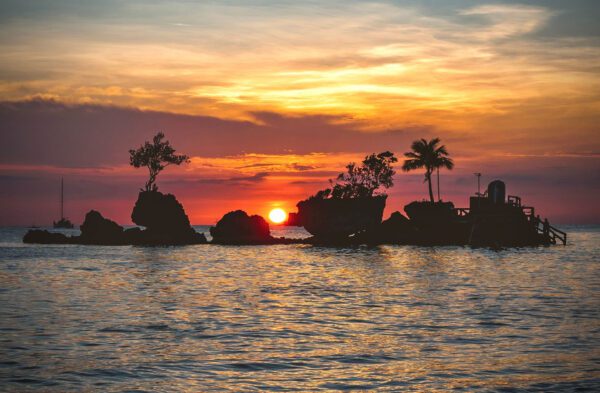
Astoria Boracay is a modern beachfront resort located along the vibrant Station 1 of White Beach, offering stylish and spacious rooms designed for comfort and relaxation. The resort features an infinity pool, a restaurant serving local and international cuisine, and direct beach access, making it ideal for both relaxation and adventure. With its lively yet serene atmosphere, guests can enjoy the nearby nightlife and attractions while also retreating to the resort’s tranquil surroundings.
- Duration | 3 Night Stay
- Meal Plan | Full Breakfast
8
Full Day Beyond Boracay: Tibiao Eco-Adventure Experience
This morning, set off to discover the hidden gem of Tibiao in Antique, a perfect destination for eco-adventure enthusiasts seeking tranquility and excitement. This tour offers an array of adrenaline-pumping activities and breathtaking views. Plunge into the refreshing waters of the Bugtong Bato River, trek to Bugtong Bato Waterfalls, and explore three out of its seven cascades. Experience the thrill of extreme water tubing as you brave the rapids. For a unique relaxation experience, indulge in a kawa hot bath, where you’ll be “cooked” in a large cauldron. Tibiao Eco-Adventure promises a blend of adventure and relaxation, making it an unforgettable escape. At the end of your adventure, return to your hotel in Boracay.
- Duration | Full Day
9
Day at leisure in Boracay
Enjoy the day as you wish. If you would like to arrange an activity, excursion, or other experience, please contact your Goway Destination Specialist.
10
Depart from Boracay
Fast Facts
- Capital – City of Manila
- Land Area – 300,780 square kilometers
- Population – 96 Million
- Average temperature – 78 degrees F/25 degrees C.
- Average humidity – 77%
- Currency – Philippine Peso (PHP)
- Government – Democratic Republic
- Head of State – President
- Religion – Predominantly Catholic. Muslim, Christian, Buddhist
- Electricity – 220 volts, A.C. 60 cycles. Though most hotels have 110-volt outlets.
- Water – Metropolitan Manila and many key cities and towns have ample supply of water. Bottled water is recommended for drinking purposes and is available pretty much anywhere.
Visa & Entry Regulations
U.S. citizens traveling to the Philippines for tourism or short business visits do not need a visa for stays up to 30 days. To enter visa-free, you must hold a U.S. passport valid for at least 6 months beyond your planned stay and present a return or onward flight ticket.
Where can I stay?
Accommodations
Happy with just a hammock? Or can’t live outside a hotel suite?
Want to be steps away from the beach? Or right on the water?
Prefer cool mountain temperatures to air-conditioned city rooms?
From rustic to ritzy, quaint to boutique, the Philippines has as many types of accommodations as it has islands. Most popular destinations will give you options that run up (or down) the budget scale.
You can easily book your preferred accommodation through your favorite travel booking websites, your preferred travel advisors or directly through the accommodation websites. If you don’t have an advanced booking, the local Tourism office can easily find a place for you. They’ll even help you to the door if they’re free. Instant friends!
When choosing a place to stay, it’s best to check for DOT accreditation. DOT uses the standard international 5-star system, so it’s easier for you to compare.
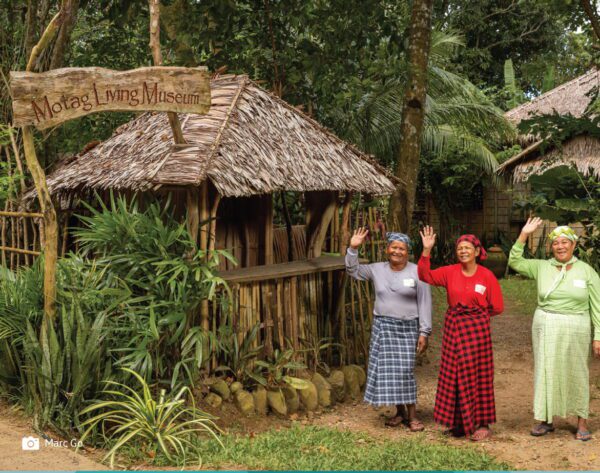
Homestays. The Department of Tourism (DOT) has a Homestay Program for cultural destinations in the country. These let you experience our way of life while getting to know our people up close.
To inquire about a homestay, email dotsdd@yahoo.com.
Electrical Current. 220 volts, 60 Hz. Two-pin flat blade attachments and two-pin round plugs are used. A transformer is necessary for appliances with electrical current of 110 volts. Most places will have extra transformers for their guests. Feel free to borrow one!
What it's like?
Environment
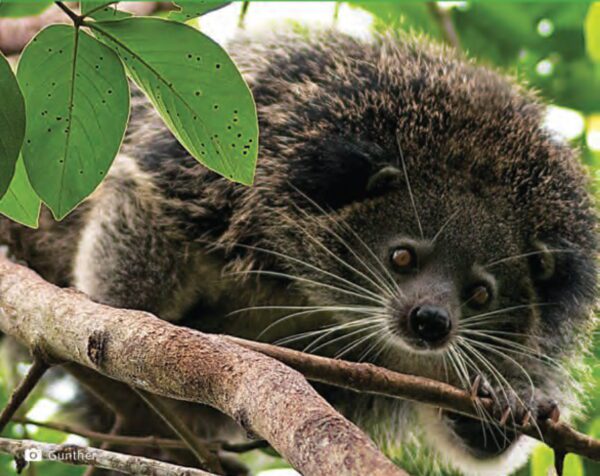
Every so often, you might come across an article about a new species of owl, fish or even lizard that’s just been discovered in the Philippines.
Our islands are hotbeds of life, with approximately 12,000 plant species, 1,100 land vertebrate species and at least 400 coral species.
And more are being discovered as you read this! We’re just shy of being 2,000 kilometers long from the tip of Luzon to the toe of Mindanao, but we are host to a lot of mosts. The island with the most volcanoes per square kilometer. The most mangrove species in the world. The most bio-diverse reef system. We have extensive mountain ranges to hike through, underwater landscapes to dive in, flat plains to drive across, cave systems to explore, waterfalls, rock faces, rivers, lakes – and, of course, much more.
Climate
If you want the bright & sunny, tropical glory of the Philippines, plan your trip between the summer months of March and May.
It will be hot and dry, but that’s what beaches, sunblock and straw hats are for! Want things a little bit cooler? Then November to February are best for you. We’d say avoid the rainy season from June to October, but a good traveler knows that off-peak season means lower rates in airfares, hotels, resorts — and maybe the beer too.
Just be forewarned that the months between July and September are characterized by typhoons. Some parts of the country such as Cebu and Davao, are warm and comfortable in all seasons and can be visited throughout the year. For up-to-date weather information, visit the Philippine Atmospheric, Geophysical and Astronomical Services Adminstration (PAGASA) website: www.pagasa.dost.gov.ph or call the PAGASA 24-hour hotline (632) 4338526.
What to Wear
Welcome to island life! All you’ll need are light, casual clothes. Typical outfit for the mall or sightseeing outdoors: Shorts, flip-flops & a shirt. Typical outfit for watching movies or going to churches or museums: Jeans/pants, a shirt, closed shoes.
For formal occasions, men are encouraged to wear the Philippine barong tagalog. Quentin Tarantino and Jeremy Renner have! But dinner jackets and ties will still do. For women, a more traditional look would incorporate butterfly sleeves a la Imelda Marcos. But cocktail dresses or long gowns are accepted and more contemporary.
A lot of establishments refuse entry to people in slippers or “sando” (men’s undershirts). Bring warming clothes if you’re traveling to the mountain regions. Quick-dry ones if you’re hitting the water or the beach. Good to have: Mosquito repellent or long-sleeved tops against bites. And of course, sunscreen against sun burns!
Communication Facilities
Welcome to the global capital for SMS and social media. Here, keeping in touch is definitely not a problem. Mobile phone sites are all over the country. We have 2 major mobile connectivity providers (Globe and Smart), plus three to four secondary ones. It’s fairly easy to pick up a new pre-paid SIM card and start texting or calling away.
Top-ups are widely available from most anywhere, usually in places with signs saying “LOAD DITO” (top-up here). “Load” is the common term for mobile connectivity credit. Internet & email services are widely available through most establishments, with more and more offering them for free. Free Wireless Fidelity (WIFI), in particular, is gaining popularity in commercial establishments, especially in Metro Manila and other cities. Just look for the Free WiFi sign on the door.
With a 3G+ network available, your own mobile phone can hook you into the web. Or you could do as most locals do and duck into an internet café. These are to be found in all shapes and sizes all over the country. Of course, the country is wired with international and national direct dial phone and facsimile service. You can access them in malls, restaurants, hotels, internet cafés, business centers, PLDT, Globetel or Bayan offices.
Aside from the postal system, worldwide express delivery service is available. LBC, FedEx, DHL, 2Go, are just some of the active couriers. Majority of national dailies are in English. You’ll find foreign publications at major hotels, malls and bookstores in Metro Manila and key cities.
Dining
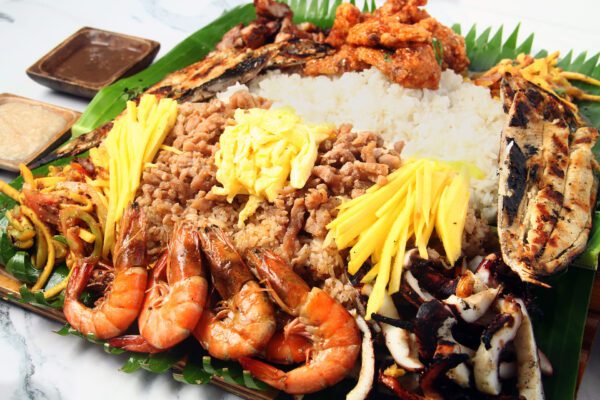
Thanks to the Filipino love of food, visitors won’t run out of options for their meals. You get a buffet of options – first class restaurants with world-class chefs, world cuisine, family-style dining places, simple grilleries, “carinderias”, cafeterias and food court stalls. “Halal” and kosher food are available.
Healthful, natural and organic food products have also increased considerably. As a result, major supermarkets including selected dining establishments now carry a wide array of organically-grown fruits, vegetables, condiments, and grains to cater to the health-conscious.
Night Life and Gaming
Whether you’re in a party-packed street or shoreline, refreshments here are served almost everywhere. DJs come from all over the world to party with us. And it’s probably because of our sunny weather and good nature that we know how to have a good time.
Challenge a local to some karaoke and you’ll be singing till sunrise! Manila’s nightlife is one of the most vibrant in Asia. Get a taste of it at the different hotspots around the metro: Malate, Manila; Greenbelt, Glorietta, and Rockwell Center, Makati City; The Fort at Bonifacio Global City, Taguig City; Resorts World Manila, Pasay City; Timog and Tomas Morato Avenues, and Eastwood in Libis, Quezon City; Ortigas Center, Pasig City. Clubs, bars, music lounges, pubs and sing-along bars feature Filipino bands and singers known for their exceptional musical talents. De luxe hotels offer a variety of live musical entertainment. And there’s always a concert or stage play to score tickets to.
Gaming
For visitors who want to try their luck at the gaming tables, there are the large casino complexes at the Bay area or near NAIA Terminal 3. Apart from Metro Manila, you can try your luck in the cities of Angeles, Olongapo, Tagaytay, Cebu, Davao, Bacolod, and Laoag.
Filipinos, you’ll find, are crazy about shopping. In fact, every capital of the country has a shopping center. So whether you find yourself in the city, in the middle of a beautiful island resort, or even relaxing in an outrigger boat, you can always go for some casual retail therapy. If you’re a professional shopper though, willing to spend whole days of “finding something to buy”, our malls are sure to keep you occupied.
Try SM Mall of Asia or SM North, two of the biggest in the world. For the more adventurous, try the Divisoria area and its 168 mall. This area is the backbone of Manila’s buy & sell trade — blocks and blocks of no-frills bargain-shopping. You will definitely find it hard to leave empty-handed. If you enjoy the bargain-hunting but would like to avoid the heat, try Greenhills shopping center in Mandaluyong City or Market Market mall in Taguig City.
What to Buy
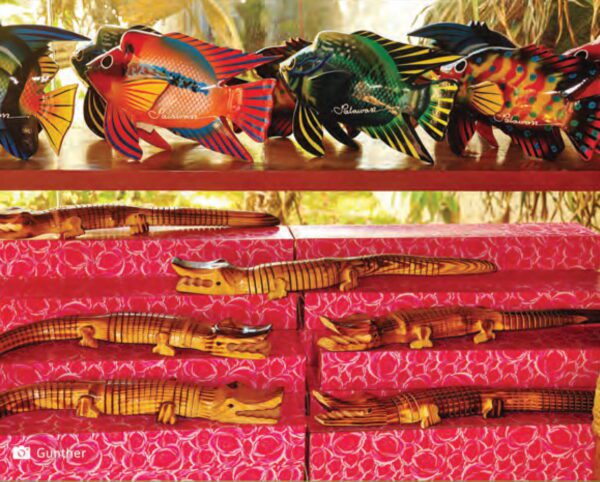
There’s an exciting selection of great buys in a country known for export-quality items at reasonable prices: South Sea pearls, hand-woven cloths, embroidered fineries, terracotta and porcelain, coral and mother-of-pearl accessories. Pineapple fiber, prehistoric jars, native handicrafts, and handmade footwear are interesting items, too.
The Philippines also produces fine furniture, basketry, exquisitely crafted jewelry, and gift items made of shell, wood, and stone. Shop for handicrafts, antiques and souvenirs in Manila’s Quiapo district: ilalimngtulay (literally, “under the bridge”). The Ermita and Malate districts in Manila, Tiendesitas in Pasig City.
Market Market in Taguig, The Kultura shop in SM malls, and most department stores also stock up on a wide selection of excellent, local handicrafts and souvenirs. Of course, don’t forget to check out the souvenir center or central dry market of the particular province or town you’re in. Every region has its own particular craft, material or delicacy. And some, like our dried mangoes, are deservedly world-famous. For a start, you can browse some of our products at http://otopphilippines.org
Medical Facilities
Hospitals and clinics in the country are manned by highly skilled and competent doctors, nurses and health care workers, typically in demand all over the world. Together with modern equipment found in the best city hospitals, the Filipino brand of caring and compassion makes sure you’re well taken care of.
The country boasts of a wide variety of medical healthcare groups to choose from. There are private as well as government-run medical facilities, hospitals and clinics. Most hotels and resorts have medical assistance protocols ready. Towns and cities have health centers that provide emergency medical attention.
Convention Facilities
As a pioneer convention city in Asia, Manila has hosted its share of prestigious international events. The Philippine International Convention Center (PICC), the country’s convention showpiece, was built to accommodate 4,000 delegates in the Plenary Hall and 5,700 persons in the Reception Hall.
Other venues of varying sizes and facility grades can be found throughout Metro Manila, like the World Trade Center or the SMX Convention Center. While Subic Bay, Cebu city, Davao City and Baguio city – with their own convention centers and large hotels – also regularly host large delegations.
For more information regarding holding a convention in the Philippines, email the Tourism Promotions Board through cit@dotpcvc.gov.ph.
How can I get around?
By Air
Fly within the country on our local airlines. You’ll find information on flight schedules, destinations, booking, and on-line ticketing on their websites:
Cebu Pacific – www.cebupacificair.com
Interisland Airlines – www.interislandairlines.com
Philippine Airlines (PAL) – www.philippineairlines.com
Air Philippines – www.airphils.com
SEA Air – http://flyseair.com/
Zest Airlines – www.zestair.com.ph
You can also take a chartered flight to major domestic destinations and island resorts.
By Sea
If you prefer traveling by boat, try the roll-on-roll-off (RORO) ships between Manila and the country’s major ports.
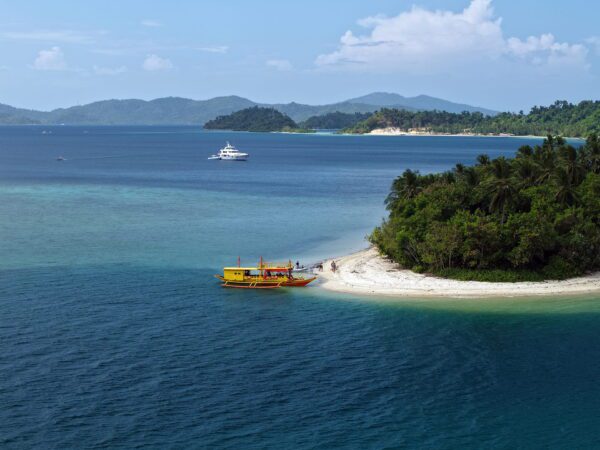
To and from smaller islands, take fast sea crafts and other ferry services. Resorts also offer island hopping by banca (small, local boat), or fishermen and other locals offer their boats for hire. The Visayas region in particular, has a robust network of inter-island boats.
For commercial options, tickets are available through ticketing and travel advisors. Schedules are published in dailies and the Buy & Sell publication.
You can also start your search through these websites – Two major shipping lines: http://www.2go.com.ph/ or http://www.montenegrolines.com.ph/
A helpful blog: http://cebuboattrips.com/
By Land
It is possible to travel by air-conditioned bus from Manila to nearly all major destinations in Luzon, Visayas and Mindanao. There is also a National Railway, that, sadly, only really transects Southern Luzon. Some of the trains have recently been replaced or refurbished though, so if you’re not in a hurry, it’s a viable way to get from Manila to Legazpi. Within Metropolitan Manila, take the Light Railway Transit (LRT). It’s the fastest and most economical way to travel throughout the metropolis: LRT Line 1 – to go to and from the Roosevelt in the north to Baclaran in the south. LRT Line 2 – to go to and from Recto Avenue to Santolan St. in the eastern part of the metropolis. The Metro Rail Transport (MRT) Line 3 – to go through Epifanio de los Santos Avenue (EDSA), Metro Manila’s main circumferential road. Stations are located at major intersections of Makati City, Ortigas, and Cubao.
If there are no LRT lines where you’re going, take a bus or metered taxi. You’ll find taxis in Manila and major parts of Metro Manila, and they can usually be flagged down right where you’re standing. For short distances within the city, try taking a public utility jeepney (PUJ) or a tricycle.
You can also download various mobile applications to help you get a cab or car. Depending on these mobile apps, passenger may pay by credit card or cash.
For more info on the Philippine National Railway – https://pnr.gov.ph/
The Light Railway Transit (LRT) – http://www.lrta.gov.ph/
The Metrotren (MRT) – http://www.dotcmrt3.gov.ph/
Some helpful blogs for getting around Manila
http://www.metromaniladirections.com
Better yet, ask a local for directions. It’ll be fun!
Driving
If you’d like to try our roads, an international driver’s license is valid for up to three months. There are car rental services available in major cities, just ask your hotel to assist you. It might be easier to go around with a local driver, so you won’t have to worry about navigation and local traffic rules. Off-roading is popular in the Philippines though, so if you’re into that, there are local 4WD groups in most adventure destinations.
Underbone motorcycles are also available for rent in most of the cities. If your hotel can’t help you and you don’t spot a “Motorcycle for rent” sign anywhere, just approach any tricycle driver for a lead.
Tours
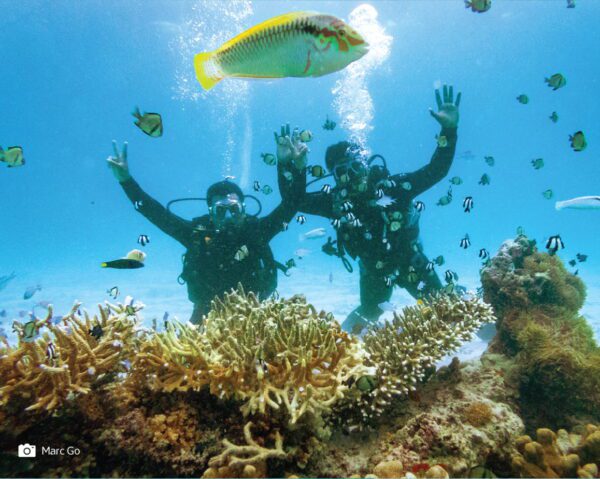
Want to know more about our 7,107 islands? Join a tour. Day trips to five-day programs will help you discover as much about the country as you want.Go scuba diving, snorkeling, whitewater rafting, trekking, spelunking, or game fishing. Whether it’s a safari or a round of golf you’re into, you can do it here. In one day, you can hike through a valley of volcanic ash to jump into a crater-turned-lake in a volcano (Mt.Pinatubo). In three days, you can learn to dive and drop in on world-class reefs (Puerto Galera or Anilao). In five, you can go from tribe to tribe along the longest mountain range intersecting the Philippines’ largest land mass (Sierra Madre-Kalinga).There are a variety of itineraries to fill your days! And subsequent visits!
For information on tours you may contact:
Philippine Travel Agencies Association (PTAA) PTAA
Address: Secretariat 12-1G EGI Rufino Plaza Taft corner Sen. Gil Puyat Avenue Pasay City, Philippines
Tel No: (632) 5520026 to 29
Fax No: (632) 5520030
Email: ptaa@pldtdsl.net
Website: http://www.ptaa.org.ph
Philippine Tour Operators Association (PHILTOA)
Address: 1717 Cityland 10 Tower 1 H.V. dela Costa Street, Salcedo Village, Makati City
Tel No: (632) 8124513
Fax No: (632) 8174608
Email: philtoagroup@yahoo.com or info@philtoa.org
Website: http://www.philtoa.org